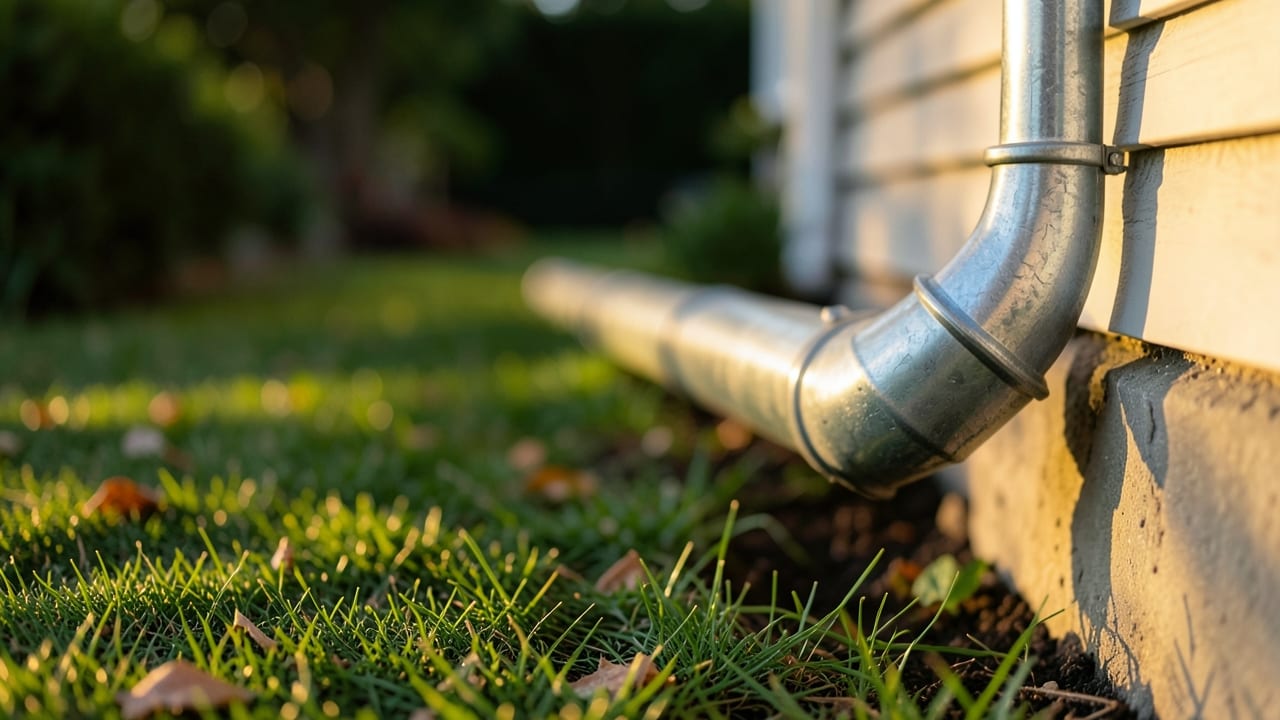
Gutter Downspout Extension
Installing or replacing gutter downspout extensions to direct water away from the home’s foundation.
In Olympia, WA, gutter downspout extensions redirect rainwater away from your home’s foundation, preventing erosion, flooding, and costly foundation damage. Heavy storms and seasonal debris can clog or damage existing extensions, making them ineffective. A professional inspection and extension service ensures proper water flow, protecting your property and avoiding long-term structural issues.
When is a downspout extension needed?
A downspout extension is critical when existing ones are missing, damaged, or too short to direct water far enough from your home. Signs include water pooling near the foundation, soil erosion at the base of the house, or visible sagging or rust in the downspouts. Even if your gutters look clean, improperly sized or angled extensions can’t handle heavy rainfall, leading to overflow and water damage.
We also handle Roof & Gutter Inspection and Storm Damage Gutter Cleanup for Olympia properties.
In Olympia’s rainy climate, downspouts must be long enough to carry water at least 5–10 feet away from the foundation. If your current extensions don’t meet this requirement—or if they’re clogged with leaves, twigs, or sediment—they’re not doing their job. A professional can assess whether your system needs an extension, repair, or complete replacement to ensure proper drainage.
Signs Your Downspout Extension Needs Attention
- Water overflows from the gutter trough during heavy rain, even when the downspout is clear.
- Soil erosion or muddy patches appear near the foundation after storms.
- Downspouts are rusted, bent, or detached from the gutter system.
- Water pools or seeps into the basement or crawl space after rainfall.
- Debris (leaves, twigs, mud) clogs the downspout frequently, requiring manual clearing.
What affects the cost and timeline?
The cost of installing or repairing a downspout extension depends on factors like the length of the extension, material type (vinyl, aluminum, or steel), and whether additional repairs (like gutter sealing or hanger replacement) are needed. Labor rates in Olympia also influence pricing, as do the height of the roof and accessibility of the work area. A simple extension may take a few hours, while a full system overhaul could require a full day.
Downspout extensions are typically priced per linear foot, with additional charges for materials, disposal fees, and any structural repairs. If your home has multiple downspouts or steep roofing, the job may take longer and cost more. Always ask for a detailed quote that includes labor, materials, and any hidden fees upfront.
Common mistakes to avoid
Many homeowners assume a gutter cleaning service will automatically include downspout maintenance, but this isn’t always the case. Skipping downspout checks can lead to hidden clogs, rust, or improper water flow. Another mistake is ignoring the pitch of the gutter system—if the gutter isn’t sloped correctly toward the downspout, water will pool and cause damage regardless of how clean the system is.
Using low-quality sealants or fasteners is another pitfall. Gutter-specific sealants and hangers fastened into solid framing (not just fascia trim) ensure longevity. DIY repairs often fail because they overlook these details, leading to recurring issues. Always hire a professional to inspect and install downspout extensions properly.
Avoid quotes that lack detail on linear footage, downspout inclusion, or debris disposal. Prices that seem unusually low may exclude critical steps like damage assessment or proper sealing. Always request a written scope of work before booking.
How gutter downspout extension works
Installing or repairing a downspout extension involves a thorough inspection, precise measurements, and proper sealing to ensure water flows away from your home.
- 1Inspect Existing System
The technician examines the gutter run, downspouts, and fascia for damage, rust, or improper pitch. They check hanger spacing and ensure the fascia is structurally sound before making repairs or installing new extensions.
- 2Measure and Remove Damaged Sections
The roofline is measured for the extension length, and any damaged sections are removed. New gutter stock is cut to fit, accounting for corners and downspout placement to ensure a seamless installation.
- 3Install Hangers and Set Pitch
New hangers are spaced consistently (closer together in snowy areas) and fastened into solid framing. The gutter is set at a slight slope (¼ inch per 10 feet) toward the downspout to prevent standing water.
- 4Seal and Test
Seams and downspout connections are sealed with gutter-specific sealant, and the system is tested with water to confirm proper drainage before the crew leaves.
Frequently asked questions
How do I know if my downspout extension is too short?
If water overflows from the gutter during rain or pools near your foundation, your extension may not be long enough. A professional can measure the distance from the downspout to the foundation and recommend an extension length of at least 5–10 feet to divert water safely.
Can I install a downspout extension myself?
While DIY installations are possible, improper pitch, sealing, or hanger placement can lead to leaks or sagging. A professional ensures the extension is correctly sized, sloped, and fastened to prevent future issues.
Why does my downspout keep clogging even after cleaning?
Frequent clogs may indicate an undersized downspout for your roof area or poor gutter pitch. A professional can assess whether your system needs an extension, larger downspouts, or adjustments to the gutter slope.
How often should I have my downspouts inspected?
Inspect downspouts twice a year (spring and fall) and after heavy storms. In Olympia’s wet climate, seasonal debris buildup and rust can compromise extensions, so proactive checks prevent costly repairs.
Where Olympia sits, and what the Census lists nearby
Olympia sits in Washington, and the closest places listed in the U.S. Census Gazetteer are Tumwater (3.7 miles south), Lacey (4.6 miles east), Tanglewilde (5.4 miles east), Nisqually Indian Community (10.1 miles east). Within 25 miles of Olympia the same source lists 51 distinct incorporated places and census-designated places. Those figures matter for gutter downspout extension because they are straight-line distances between Census coordinate points: road mileage between Olympia and Tumwater runs longer than the 3.7 miles shown, which is why quotes for the same job differ between towns that look close together on a map. Source: U.S. Census Bureau Gazetteer.
See Porter, WA for more, or explore how our Olympia crew can help by service type for our complete lineup.
Ready to get started?
Talk to a local gutter cleaning pro in Olympia — get a written quote.
Other Gutter Cleaning Services in Olympia
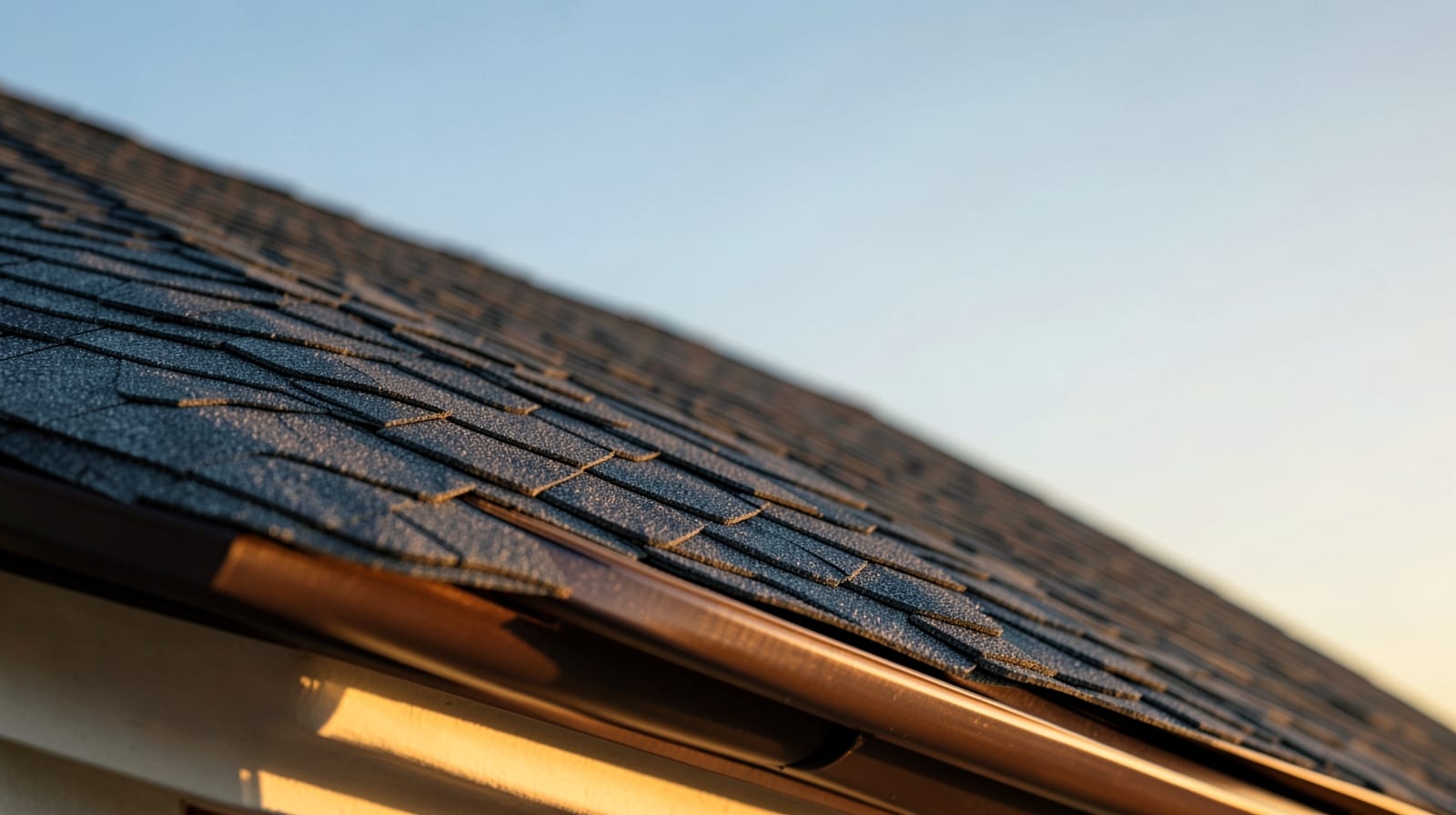
Roof & Gutter Inspection in Olympia, WA
Roof and gutter inspection in Olympia, WA checks drainage, fastener condition, and roof-edge flashing before small issues become water damage.
Learn More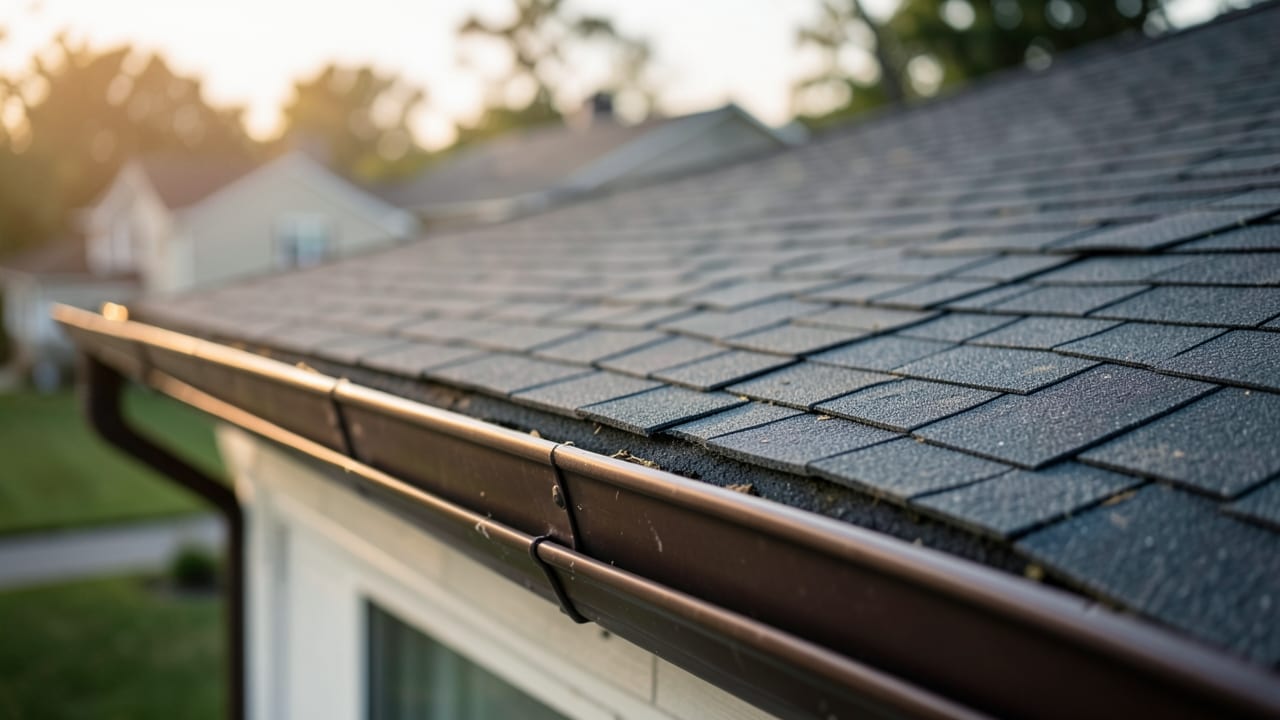
Storm Damage Gutter Cleanup in Olympia, WA
Storm damage gutter cleanup in Olympia, WA clears debris and repairs sections torn loose or bent by wind, hail, or heavy rain.
Learn More
Gutter Replacement in Olympia, WA
Full gutter replacement in Olympia, WA — new seamless aluminum gutters and downspouts when repair is no longer cost-effective.
Learn More
Seamless Gutter Installation in Olympia, WA
Seamless gutter installation in Olympia, WA — aluminum gutters formed on-site to the exact run length, no sectional seams to leak.
Learn More
Ice Dam Removal in Olympia, WA
Ice dam removal in Olympia, WA clears ice buildup at the roof edge before it backs water up under shingles.
Learn More
Fascia & Soffit Repair in Olympia, WA
Fascia and soffit repair in Olympia, WA fixes the trim boards gutters mount to, often damaged by long-term overflow or water intrusion.
Learn MoreCommon Questions About Gutter Cleaning in Olympia
Everything you need to know about gutter cleaning services in Olympia
How much does Gutter Downspout Extension typically cost in Olympia, WA?
How does tree cover around Olympia, WA change gutter maintenance needs?
Can standing water in clogged gutters attract pests?
How often do gutters actually need to be cleaned?
Do gutter guards eliminate the need for cleaning?
What are the signs that gutters actually need attention?
Need Gutter Cleaning in Olympia?
Get a written quote from our Olympia crew.
⏰ We answer your call • Serving all of Olympia and surrounding areas