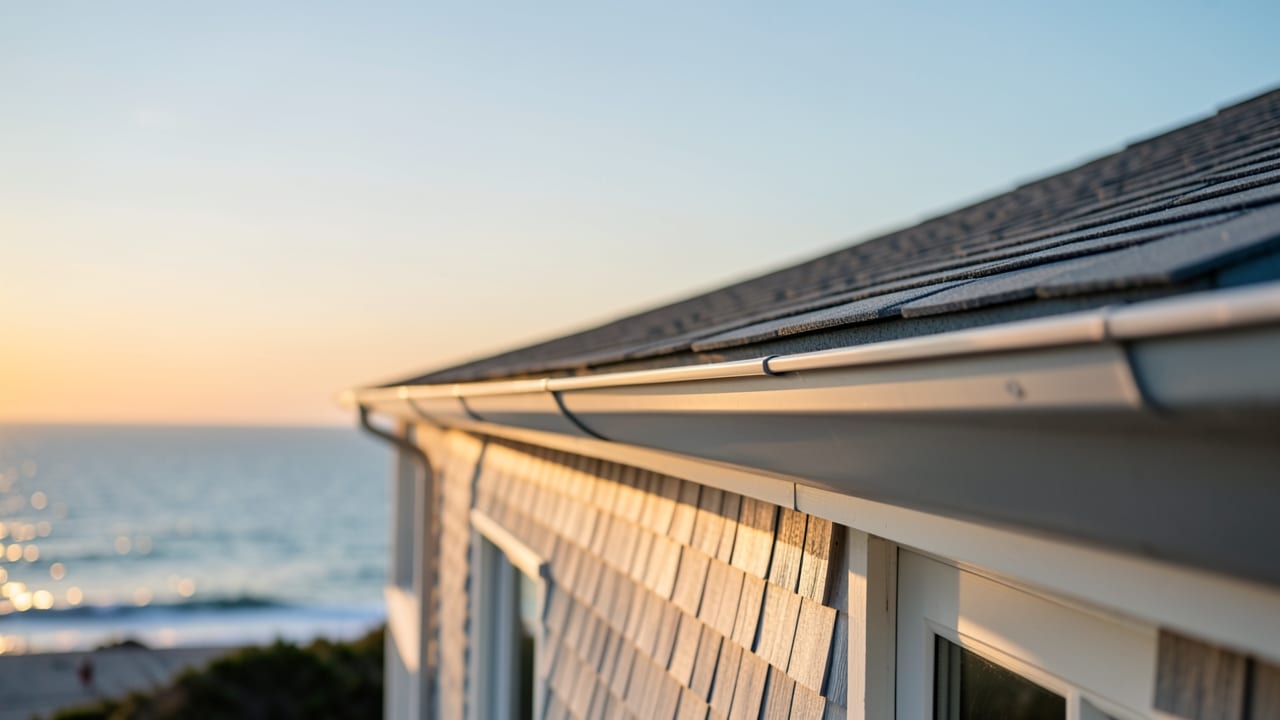
Salt Corrosion Gutter Treatment
Application of protective treatments to gutters to prevent salt-induced corrosion in coastal or high-salt areas.
Salt corrosion is a serious threat to gutters in Olympia, WA, where coastal salt air accelerates rust and deterioration. Specialized coatings and sealants protect metal gutters from long-term damage, preventing leaks, sagging, and costly repairs. A thorough treatment extends gutter lifespan while maintaining proper drainage—critical for homes near Puget Sound.
Why salt corrosion damages gutters in Olympia
Olympia’s proximity to saltwater means gutters face constant corrosion from airborne salt particles. Over time, this weakens metal gutters, causing rust spots, separated seams, and structural failure. Without protection, even minor damage can lead to water overflow, siding stains, and foundation issues.
We also handle Seamless Gutter Installation and Ice Dam Removal for Olympia properties.
Salt corrosion doesn’t just affect older gutters—aluminum, steel, and vinyl systems all degrade faster in coastal climates. A specialized coating creates a barrier against moisture and salt, preserving the gutter’s integrity for years. This is especially important for homes with overhanging trees, where debris buildup worsens corrosion.
Signs Your Gutters Need Salt Corrosion Treatment
- Dark streaks or rust spots along gutter edges or downspouts
- Sagging sections or gaps between seams where water pools
- Visible corrosion on brackets or fasteners (even if the trough looks clean)
- Downspouts clogged with decomposed leaves or mineral buildup (a sign of standing water)
- Weeds or moss growing inside the gutter—indicating long-term moisture retention
How often should you treat gutters near the coast?
Coastal homes like those in Olympia often need salt corrosion treatment every **2–4 years**, depending on gutter material and exposure. Aluminum gutters may last longer with treatment, while steel or galvanized systems require more frequent protection. The key is balancing treatment with routine cleaning—salt buildup is invisible until damage appears.
Tree overhangs accelerate corrosion. If branches drop salt-laden debris directly into gutters, treatment should happen **annually** alongside cleaning. A visual inspection for rust or weakened fasteners during cleaning helps determine the right interval.
What’s included in a full salt corrosion gutter treatment?
A complete treatment goes beyond cleaning—it includes **specialized coatings** applied to exposed metal surfaces, **sealant on seams and fasteners**, and a **hardware integrity check**. This prevents water intrusion at weak points where salt accelerates rust. Skipping any step (like downspout treatment) leaves gaps in protection.
Treatment also addresses **hidden corrosion** behind debris or under brackets. A hands-on inspection catches loose hangers or separated joints before they fail. Documentation of findings ensures future work targets known vulnerabilities.
| Step | What’s Covered | Why It Matters |
|---|---|---|
| Surface Prep | Removing rust, old paint, and debris before coating | Ensures the sealant adheres to clean metal |
| Coating Application | Specialized corrosion-resistant paint on troughs and downspouts | Blocks salt and moisture from penetrating metal |
| Seam Sealing | Sealing gaps between gutter sections and end caps | Prevents water from entering at weak points |
| Hardware Check | Tightening brackets, replacing loose spikes, and inspecting hangers | Stops gutters from pulling away due to corrosion |
| Downspout Treatment | Coating and clearing downspouts to prevent internal clogs | Completes the drainage system’s protection |
How salt corrosion gutter treatment works
A thorough treatment starts with inspection and ends with long-term protection.
- 1Roofline Inspection
A crew walks the roofline to identify sagging sections, separated seams, and downspouts already showing signs of clogging or corrosion. This sets the scope for treatment based on actual damage, not assumptions from the ground.
- 2Debris Removal and Surface Prep
Leaves, seed pods, and grit are cleared by hand toward the downspout to avoid pushing debris deeper. Rust, old coatings, and loose hardware are removed to prepare surfaces for sealing.
- 3Coating and Sealing
Specialized corrosion-resistant coatings are applied to exposed metal, and seams, brackets, and fasteners are sealed to block salt and moisture. This step targets areas most vulnerable to coastal corrosion.
- 4Downspout and Hardware Check
Downspouts are flushed to confirm clear drainage, and loose brackets or failing hardware are repaired or replaced. A final rinse clears dust, and photos document the treated condition for future reference.
- 5Documentation and Follow-Up
Photos of treated sections and hardware condition are kept on file. Homeowners receive notes on any recurring issues (e.g., overhanging branches) to adjust future treatment schedules.
Frequently asked questions
How do I know if my gutters need salt corrosion treatment instead of just cleaning?
Look for rust spots, sagging sections, or dark streaks along gutters—these are signs salt corrosion is already active. If your gutters are metal and near the coast, treatment should happen every **2–4 years**, even if they look clean. A visual inspection during cleaning can confirm if corrosion is present.
Will treating my gutters prevent leaks during heavy rain?
Treatment reduces the risk of leaks by sealing seams and protecting metal from corrosion, but it doesn’t replace regular cleaning. Clogged gutters (even treated ones) can overflow. Always clear debris before storms, especially after wind events that drop branches or salt-laden particles.
Do you treat downspouts, or just the gutter troughs?
Downspouts are critical—corrosion inside them can block drainage even if the troughs look fine. A full treatment includes coating downspouts and ensuring they’re clear, as hidden clogs or rust can undo the benefits of a treated gutter system.
How long does the coating last in Olympia’s climate?
High-quality coatings last **3–5 years** in salt-air conditions, but exposure to overhanging trees or direct salt spray may shorten this. Annual inspections during cleaning help track wear and adjust treatment intervals.
Where Olympia sits, and what the Census lists nearby
Olympia sits in Washington, and the closest places listed in the U.S. Census Gazetteer are Tumwater (3.7 miles south), Lacey (4.6 miles east), Tanglewilde (5.4 miles east), Nisqually Indian Community (10.1 miles east). Within 25 miles of Olympia the same source lists 51 distinct incorporated places and census-designated places. Those figures matter for salt corrosion gutter treatment because they are straight-line distances between Census coordinate points: road mileage between Olympia and Tumwater runs longer than the 3.7 miles shown, which is why quotes for the same job differ between towns that look close together on a map. Source: U.S. Census Bureau Gazetteer.
See Lakewood, WA for more, or check out our full Olympia-area coverage step by step for our complete lineup.
Ready to get started?
Talk to a local gutter cleaning pro in Olympia — get a written quote.
Other Gutter Cleaning Services in Olympia
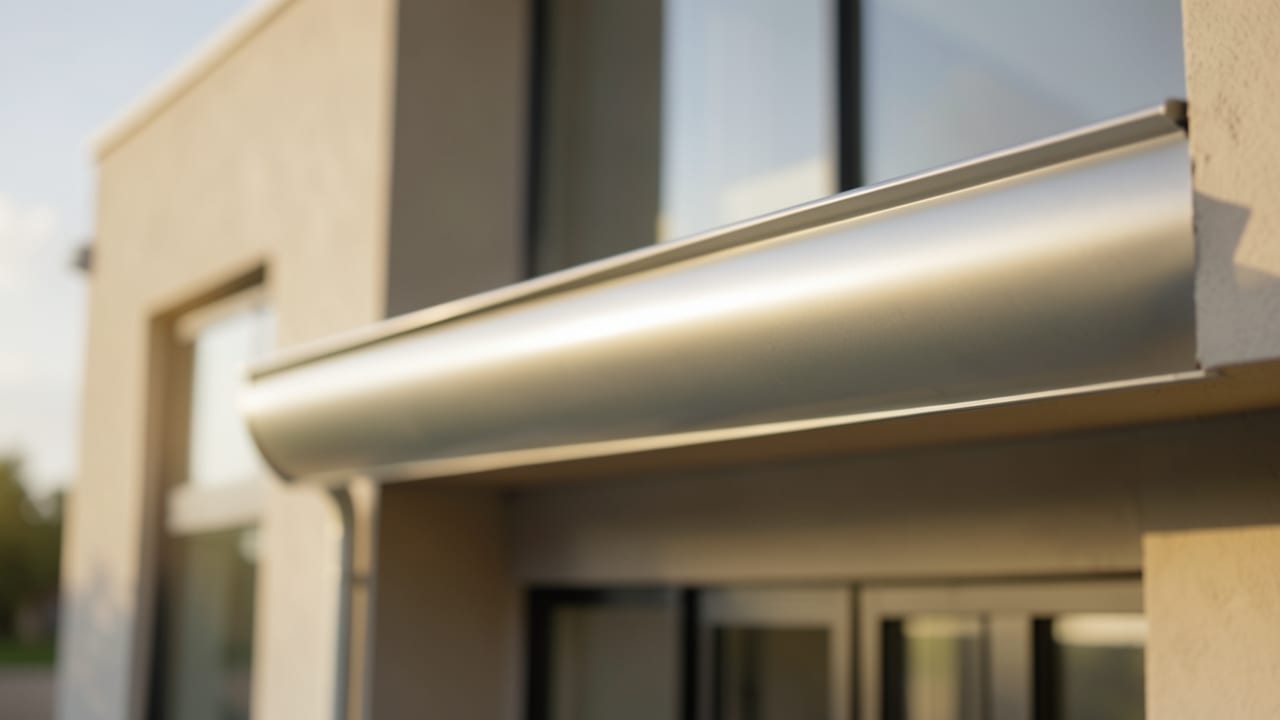
Seamless Gutter Installation in Olympia, WA
Seamless gutter installation in Olympia, WA — aluminum gutters formed on-site to the exact run length, no sectional seams to leak.
Learn More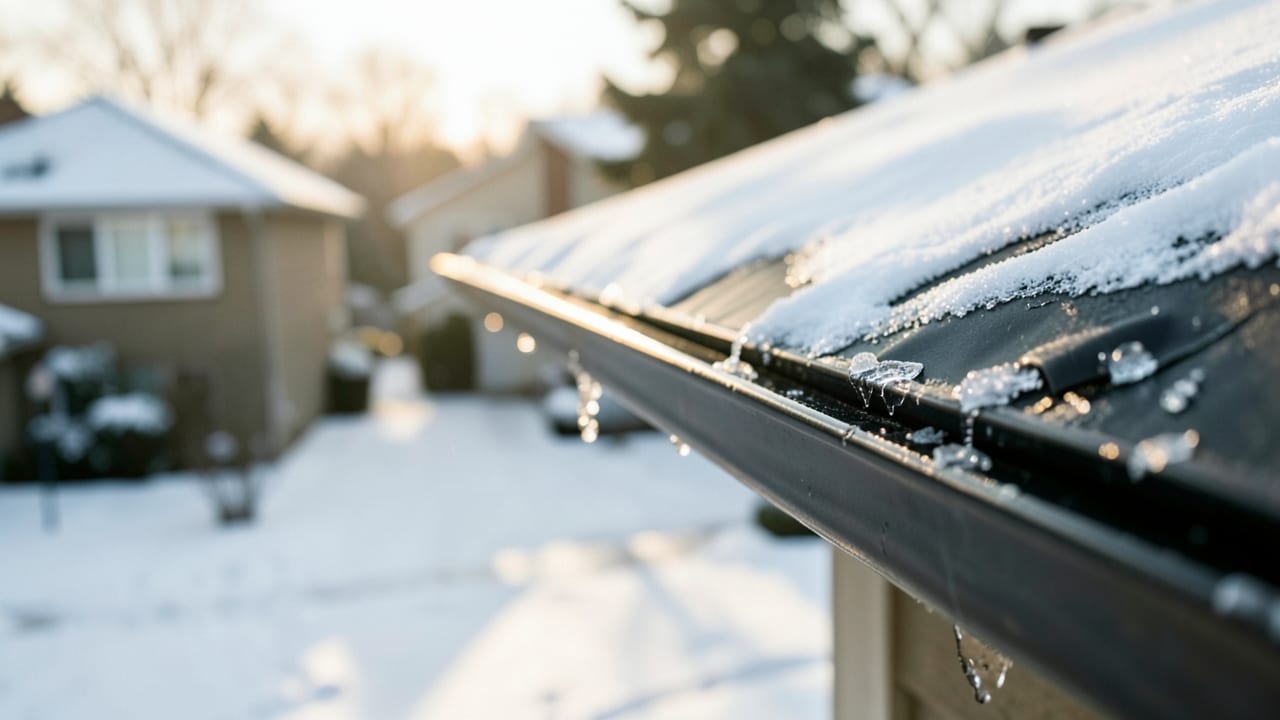
Ice Dam Removal in Olympia, WA
Ice dam removal in Olympia, WA clears ice buildup at the roof edge before it backs water up under shingles.
Learn More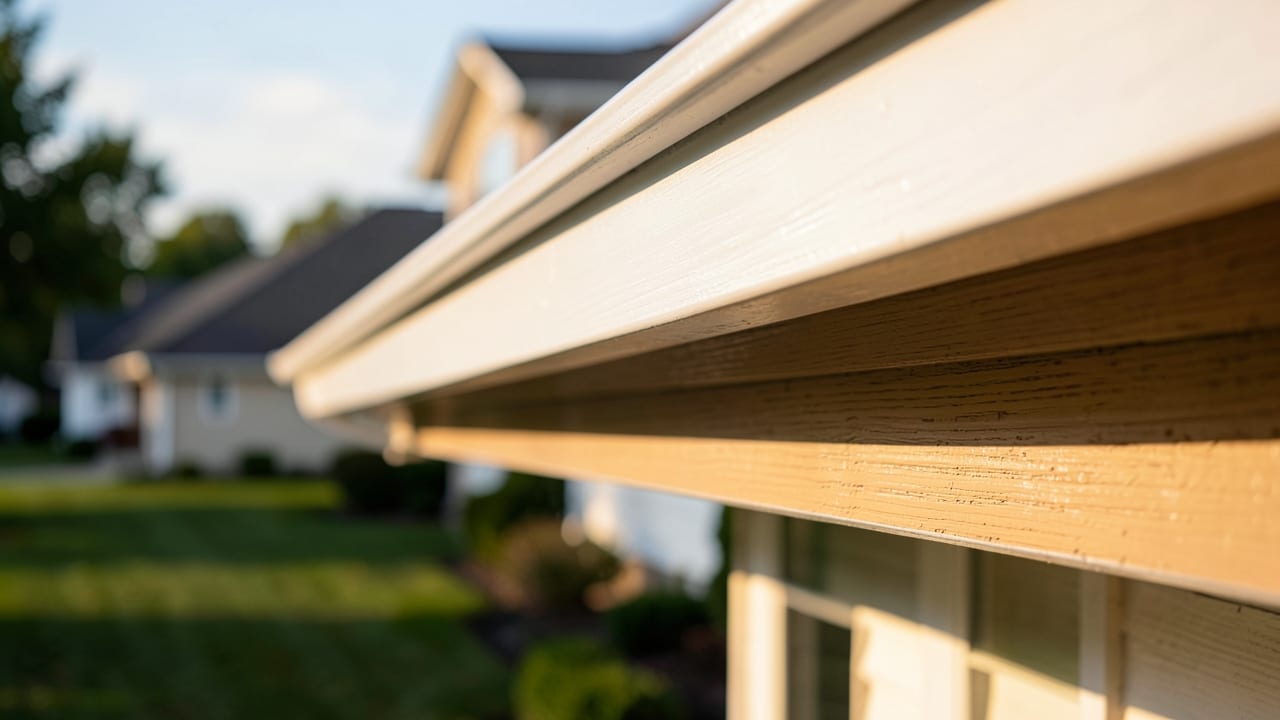
Fascia & Soffit Repair in Olympia, WA
Fascia and soffit repair in Olympia, WA fixes the trim boards gutters mount to, often damaged by long-term overflow or water intrusion.
Learn More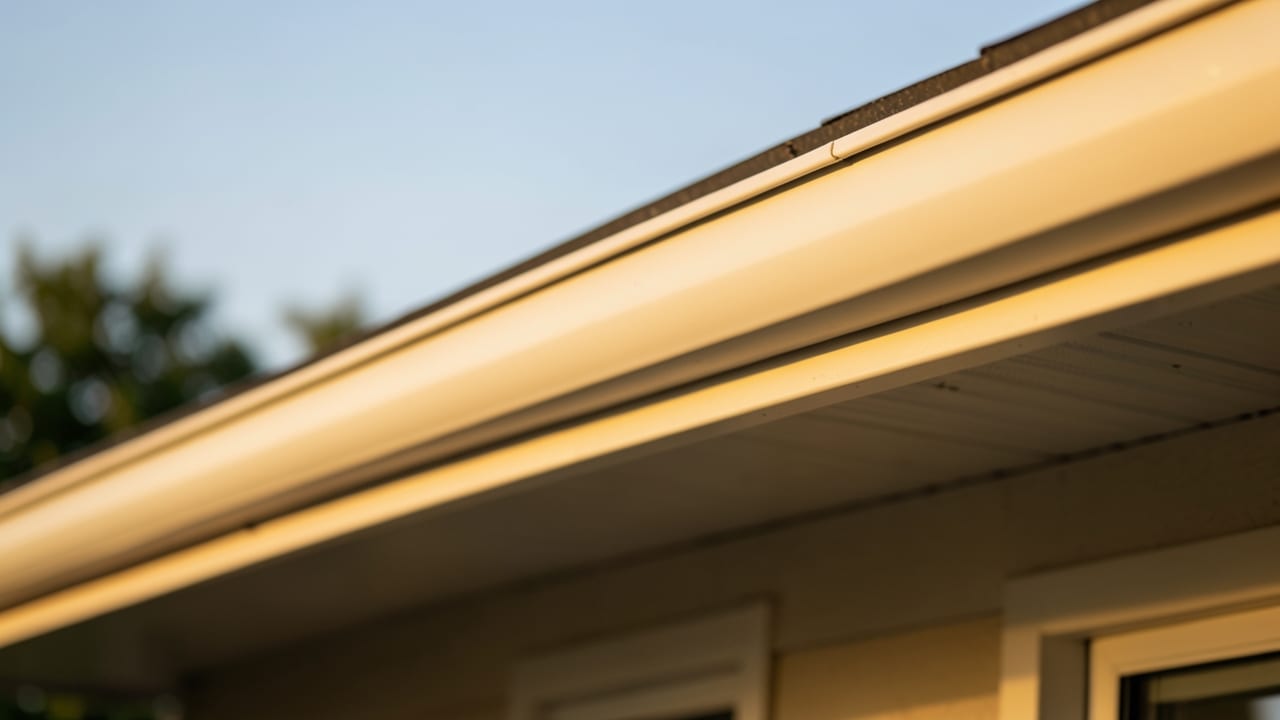
Vinyl Gutter Installation in Olympia, WA
Professional installation of vinyl gutters to direct rainwater away from the home.
Learn More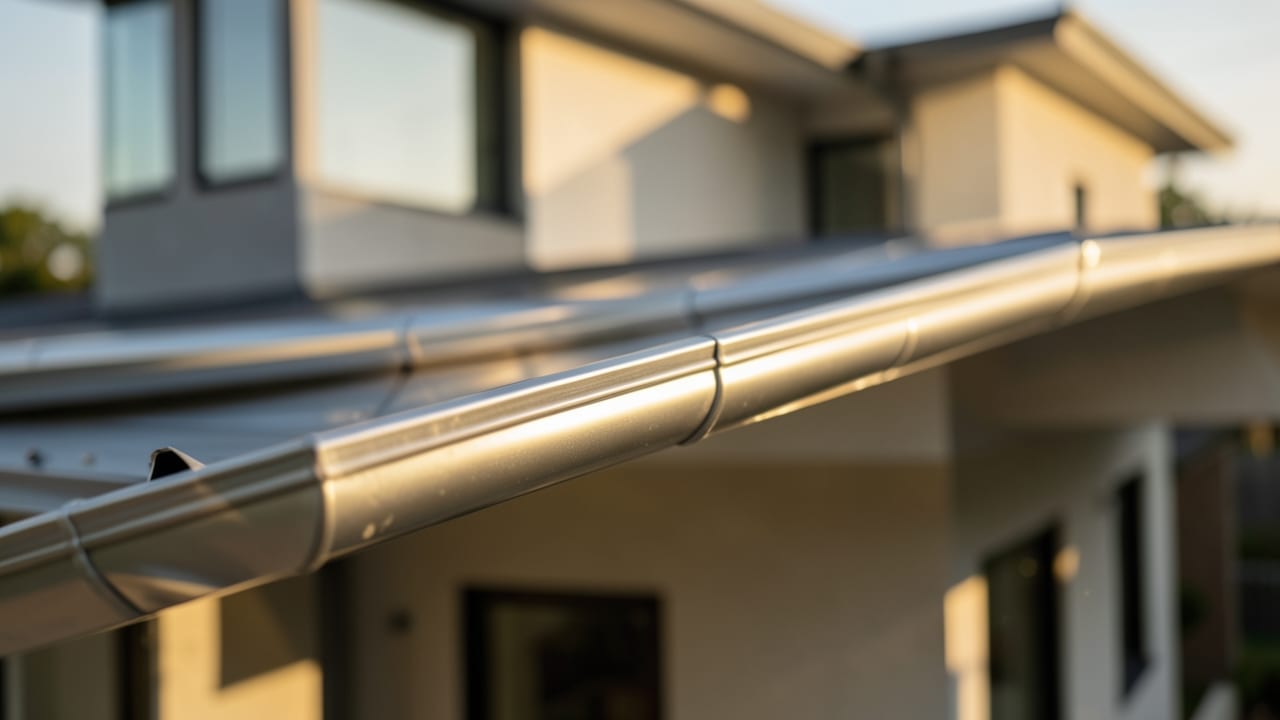
Aluminum Gutter Installation in Olympia, WA
Professional installation of aluminum gutters to manage rainwater runoff effectively.
Learn More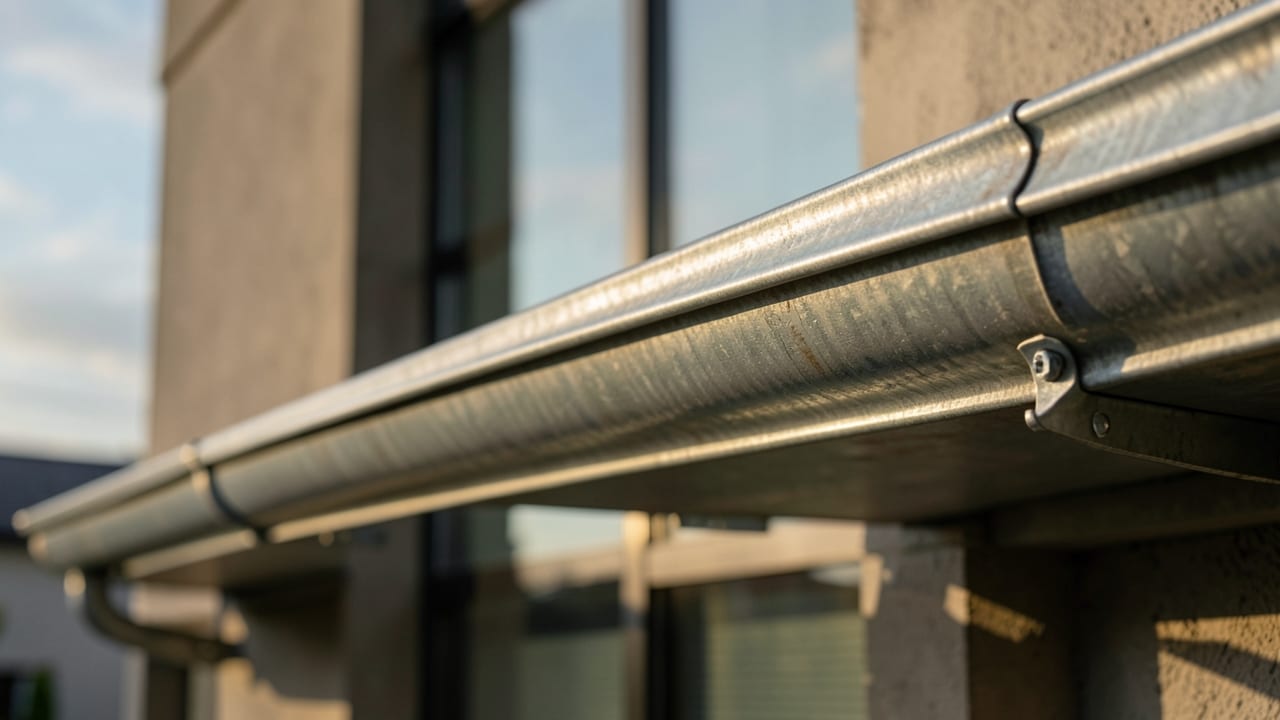
Steel Gutter Installation in Olympia, WA
Professional installation of steel gutters to manage rainfall and protect home foundations.
Learn MoreCommon Questions About Gutter Cleaning in Olympia
Everything you need to know about gutter cleaning services in Olympia
How much does Salt Corrosion Gutter Treatment typically cost in Olympia, WA?
How does tree cover around Olympia, WA change gutter maintenance needs?
How often do gutters actually need to be cleaned?
Do gutter guards eliminate the need for cleaning?
What are the signs that gutters actually need attention?
What actually happens if gutter cleaning gets skipped for a season?
Need Gutter Cleaning in Olympia?
Get a written quote from our Olympia crew.
⏰ We answer your call • Serving all of Olympia and surrounding areas